Space science
The shocking truth about the smallest dwarf planet of the solar system
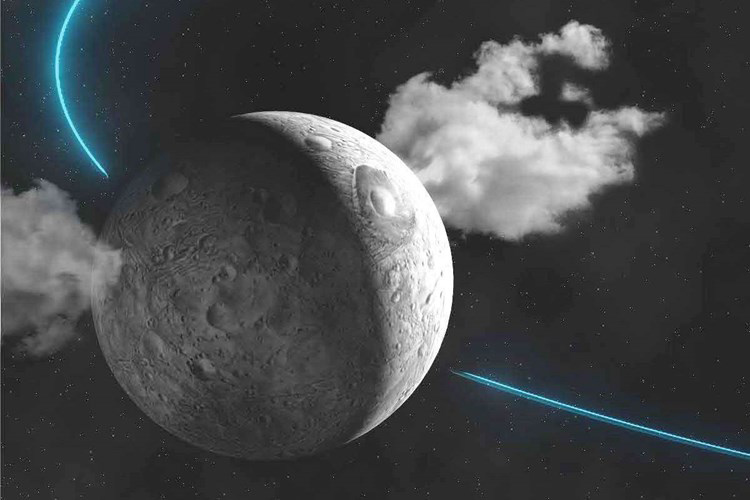
Ceres is the smallest dwarf planet known in the solar system that contains many shocking facts that astronomers love to explore.
Browse ScienceInfo articles and explainers related to Solar System.
420 published items.
Ceres is the smallest dwarf planet known in the solar system that contains many shocking facts that astronomers love to explore.
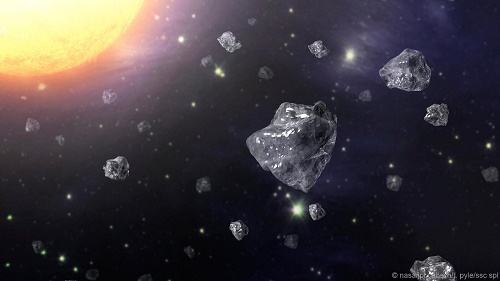
A meteorite can exist from the time of formation of the solar system that falls to Earth and explodes, creating countless large pieces of diamond.
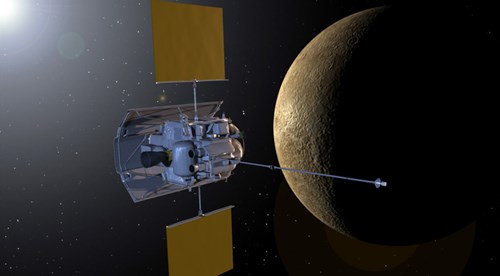
Mercury is the smallest planet in the solar system and is always a mystery to humans. However, recent images provided by Messenger spacecraft have helped scientists unco…
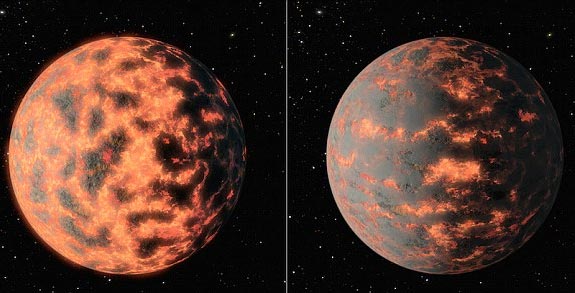
For the first time, British scientists have discovered terrifying temperature fluctuations on a so-called rock planet
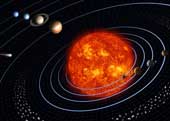
In the solar system, the hottest planet is not the closest to the Sun, Pluto is only half the size of America.

Research by American scientists shows that a red dwarf once glided through the solar system 70,000 years ago at close range.
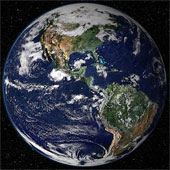
Earth's movement around the sun and the solar system's movement makes people feel time on the planet floats faster than when we stand still in the universe.
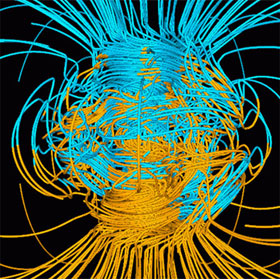
Although the space science has made many new advances, with the support of advanced technology, there are still mysteries that we cannot explain.
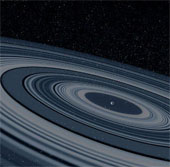
Astronomers announced that they have discovered a giant belt system surrounding a brown / foreign dwarf planet located more than 430 light years from Earth.
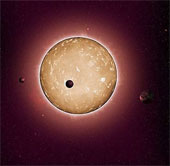
International astronomers on January 27 said they discovered a new solar system outside the solar system and are made up of five small stone planets.
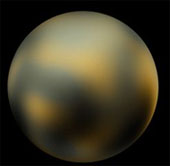
Pluto still has a chance to be admitted into the solar system's planetary family after receiving a majority of votes
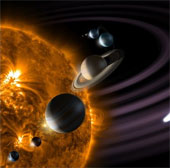
A part of the water found in Earth's oceans, water in meteorites and water that freezes in the craters on the moon have been formed before the Solar System.
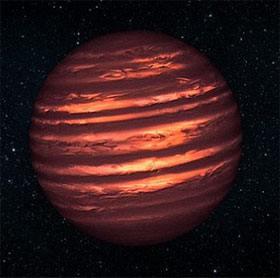
Scientists on August 26 announced they may have found the first water clouds outside the Solar System.
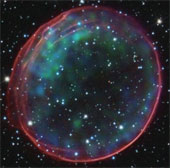
A series of supernova explosions, though not strong enough to kill life on earth, have wrapped the solar system in a hot air bubble and exist today.
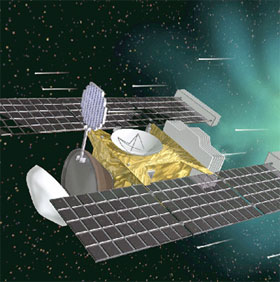
NASA's Stardust robot ship mission has proven to be a great success after scientists claim it brought back dust that originated outside the solar system.